 Save to Pinterest
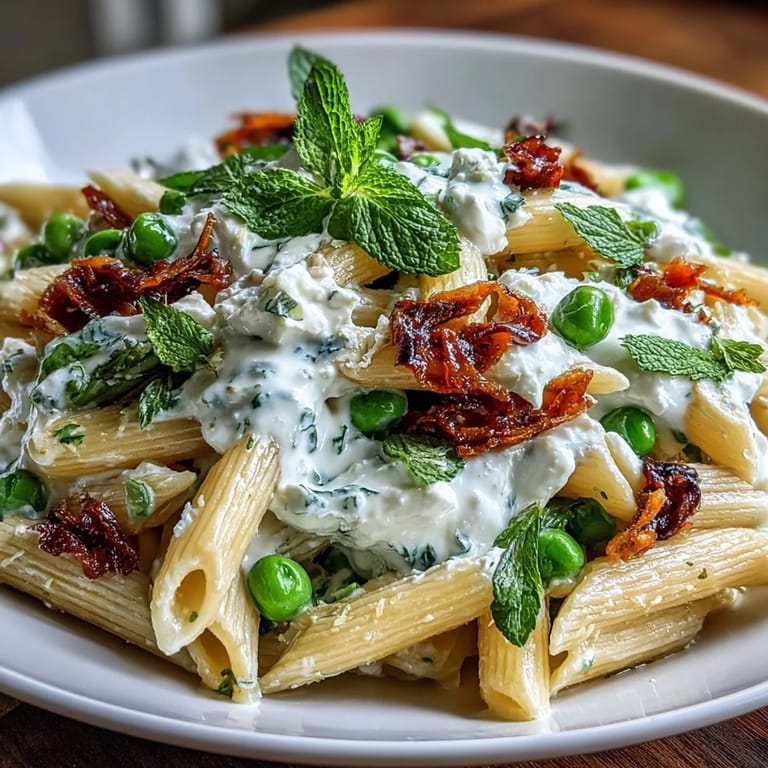
 There's a moment every spring when I open the freezer and spot a bag of peas, and suddenly I'm standing in my kitchen thinking about how something so simple—just peas, ricotta, and mint—can taste like the season itself. My neighbor Marco taught me this dish one April afternoon when he showed up with a handful of mint from his garden, insisting that pasta didn't always need a complicated sauce to be memorable. That day changed how I cook in warm months, because I realized that sometimes the best meals are the ones where each ingredient stays true to itself while somehow becoming greater together.
I made this for my parents one Sunday in May when my mom was going through a phase of avoiding heavy foods, and she actually asked for seconds—something I hadn't seen happen in months. My dad kept talking about how the lemon zest brightened everything without making it taste acidic, and I realized then that this wasn't just a light pasta, it was the kind of dish that makes you feel better after eating it, not sluggish.
Ingredients
- Pasta (350 g short shapes like penne, fusilli, or orecchiette): Short pasta catches the ricotta better than long strands, trapping the creamy sauce in every crevice—this is the one place I won't compromise.
- Fresh or frozen peas (250 g): Frozen peas are honestly just as good as fresh here, and they cook more evenly; if you use fresh, taste one before cooking to make sure they're actually sweet.
- Garlic (2 cloves, finely chopped): The garlic is just there to whisper, not shout—mince it fine so it melts into the oil rather than sitting as chunks.
- Lemon zest (from 1 unwaxed lemon): This is the brightness that makes the whole dish sing; don't skip it or use bottled, the fresh citrus oils make a real difference.
- Ricotta cheese (250 g): Use whole milk ricotta if you can find it, and don't buy the kind in a plastic tub from the back of the dairy case if you have a choice—quality ricotta tastes almost sweet.
- Grated Parmesan (50 g, plus extra to serve): Grate it fresh if possible; pre-grated cheese has anti-caking agents that make the sauce feel gritty instead of silky.
- Fresh mint (about 15 g, finely chopped): Tear or chop it just before using so it doesn't bruise and turn dark—mint is delicate and deserves respect.
- Extra-virgin olive oil (2 tbsp): Good olive oil matters here because it's not hidden under anything; use one you'd actually drizzle on bread.
- Salt and freshly ground black pepper: Season confidently—this dish needs black pepper to really shine, so don't be shy.
Tired of Takeout? 🥡
Get 10 meals you can make faster than delivery arrives. Seriously.
One email. No spam. Unsubscribe anytime.
Instructions
- Boil the pasta properly:
- Fill a large pot with salted water—it should taste like the sea—and bring it to a rolling boil before adding pasta. Cook to al dente, which means it should have just a tiny bit of resistance when you bite it; this texture matters because the pasta will sit in the pan with other ingredients and soften slightly. Reserve a full cup of cooking water before draining, because you'll need that starchy liquid to make the sauce creamy.
- Wake up the garlic:
- Heat the olive oil in a large pan over medium heat and add your minced garlic, listening for that gentle sizzle and watching the kitchen fill with that unmistakable smell. After about a minute, the garlic should be pale gold and fragrant but not browning—if it starts to color, you've waited too long and it will taste bitter.
- Coax the peas to tenderness:
- Add the peas to the garlicky oil and let them cook for 2 to 3 minutes (longer if frozen), stirring occasionally so they heat evenly and turn that brilliant bright green. You'll know they're ready when they're tender but still hold their shape, and you can taste one to be sure.
- Bring it all together:
- Add the drained pasta to the pan with the peas and give everything a gentle toss so the pasta is coated with the oil and gets to know the peas. This is the moment everything starts to come together, and the kitchen smells like spring and garlic and possibility.
- Create the creamy sauce:
- Remove the pan from heat—this is important—and stir in the ricotta, lemon zest, Parmesan, and about half the mint. The heat of the pasta will warm the ricotta without making it grainy or broken, and you'll see it start to coat everything in this beautiful, loose cream.
- Adjust the texture and season:
- Start adding the reserved pasta water a few tablespoons at a time, stirring until you have a sauce that's creamy but not soup-like—it should coat the back of a spoon but still flow freely. Taste as you go, adjusting the salt and adding plenty of black pepper, then finish with the remaining mint.
 Save to Pinterest
 What I love most about this dish is that it doesn't pretend to be something it's not—it's just good ingredients treated with respect, and somehow that simplicity is the most elegant thing of all. My kitchen feels lighter when I'm cooking it, and the people eating it always seem a little happier.
When Spring Feels Like a Season You Can Taste
This is the pasta I make when I want to celebrate that in-between time when winter is finally fading and everything feels possible again. The mint and lemon remind you that fresh things are coming, the peas taste like hope, and the ricotta is soft enough to feel almost indulgent while somehow being light—it's the perfect contradiction. I've made it in dozens of variations now, but I always come back to this version because it's the one that tastes most like the season itself.
On Ricotta and Why It Matters
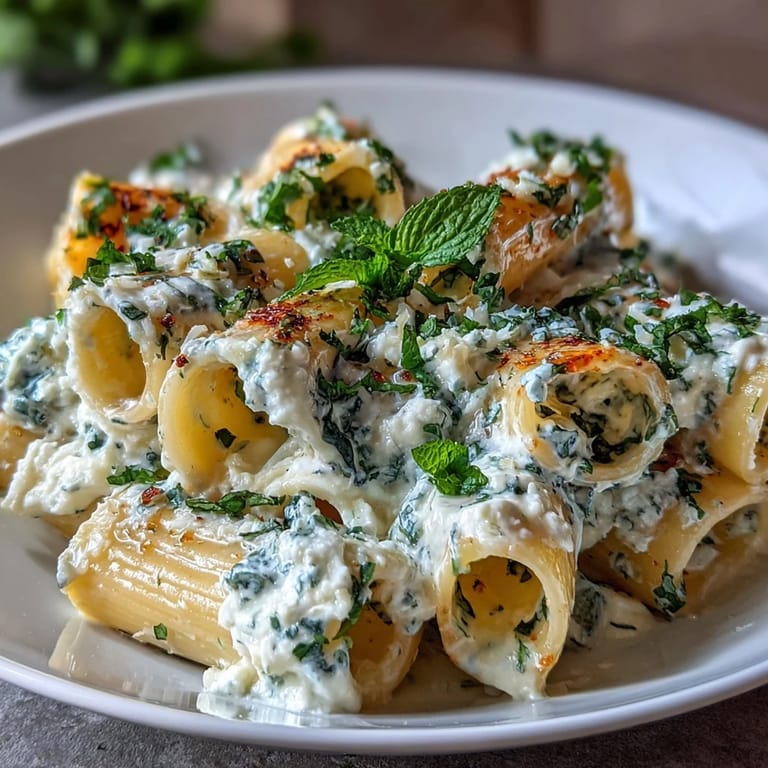
Ricotta is one of those ingredients that gets treated like a supporting player, something to fill a shell or layer into a lasagna, but in this dish it's the star and you really taste it. The creaminess shouldn't be heavy—it's more like a cloud that holds everything together—and that's what happens when you use good ricotta and never cook it past the point of gentle warming. I learned this the hard way when I once tried to make a ricotta sauce by cooking it in the pan, and it turned into something that looked like cottage cheese; now I treat ricotta like I treat eggs, something that needs a gentle touch.
Small Things That Make a Big Difference
There's something about the act of zesting a lemon right over the pasta water that makes you feel like you're actually cooking rather than just assembling, and that small gesture seems to matter to the final taste. The black pepper should be generous—not aggressive, but confident—and it adds a slight warmth that balances the brightness of the lemon and the sweetness of the peas. I used to skip the lemon zest and wonder why the dish felt flat, but now I can't imagine making it without that small burst of citrus oil that hits you first.
- Buy whole milk ricotta if your store carries it, and taste it before cooking if you've never tried the brand before—quality varies a lot.
- Don't go light on the black pepper; this dish actually needs it to feel complete and balanced.
- Mint bruises easily, so chop it at the last possible moment and try not to let it sit in your hand for longer than it needs to.
 Save to Pinterest
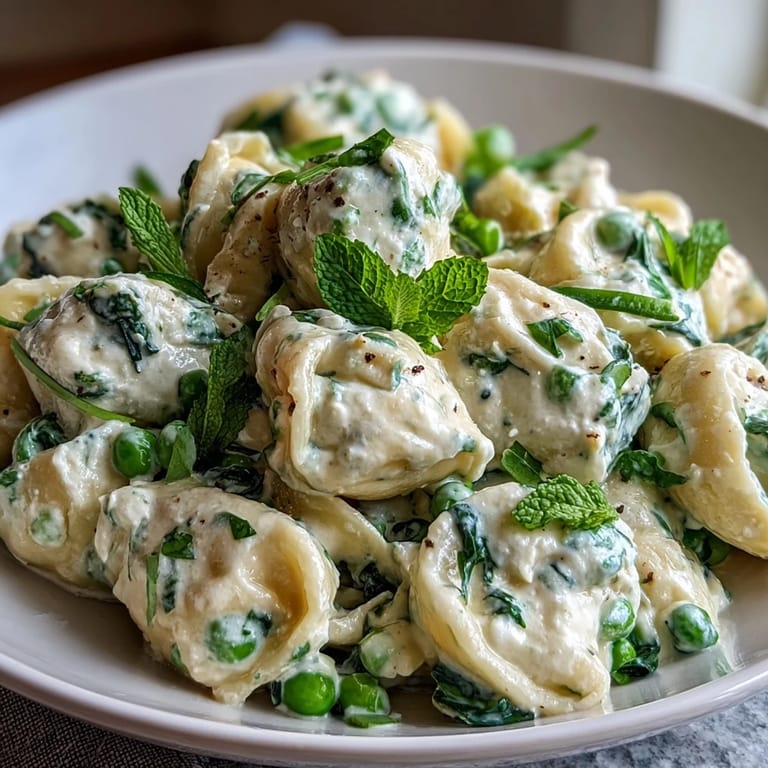
 Make this when you want to feel like spring is happening in your kitchen, and when you want people to taste the seasons in their food. It's the kind of simple dish that reminds you why cooking matters in the first place.
FAQs About This Recipe
- → Can I use frozen peas instead of fresh?
Yes, frozen peas work well. Cook them slightly longer until tender and bright green before combining with the pasta.
- → What pasta shapes are best for this dish?
Short pasta like penne, fusilli, or orecchiette hold the sauce nicely and complement the peas and ricotta.
- → How do I make the sauce creamy without cream?
Stirring ricotta with reserved pasta water creates a smooth, creamy coating without extra cream.
- → Can I substitute Parmesan cheese?
Yes, options like Grana Padano or pecorino can be used, or vegan alternatives for dietary needs.
- → What herbs work well besides mint?
Fresh basil or parsley can be substituted, but mint adds a unique refreshing note to this dish.