 Save to Pinterest
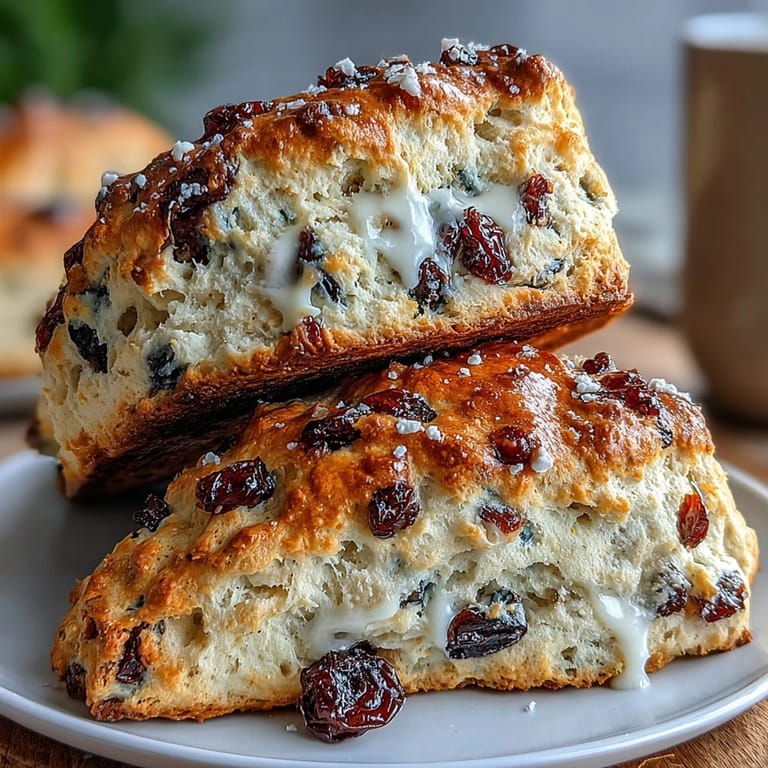
 My sourdough starter had been neglected for weeks, sitting in the back of my fridge like an accusation. One morning, guilt-ridden and needing to use up the discard, I wondered what would happen if I treated it like a secret ingredient in scones instead of just composting it. The result was unexpectedly magical—a tender crumb with the faintest tang that made the bright lemon and blueberries sing even louder than they would alone.
Last April, I brought these to a small gathering and watched my neighbor—the one who always brings store-bought everything—eat three in a row without saying a word. When she finally asked for the recipe, something shifted; I realized these scones weren't just breakfast food anymore, they were currency in the language of showing up for people.
Ingredients
- All-purpose flour: 2 1/4 cups (280 g) gives structure without being heavy, perfect for a scone that's tender on the inside but holds its wedge shape.
- Granulated sugar: 1/4 cup (50 g) sweetens gently without making them cloying, letting the fruit and lemon take the spotlight.
- Baking powder: 1 tablespoon is your lift, combined with the baking soda to help the sourdough discard do its job.
- Baking soda: 1/2 teaspoon reacts with the acidity of the sourdough and lemon to create lift and tenderness.
- Fine sea salt: 1/2 teaspoon brightens every flavor and prevents sweetness from feeling one-dimensional.
- Lemon zest: From 1 large lemon, grated just before mixing for that fresh, sharp presence throughout the crumb.
- Unsalted butter: 1/2 cup (115 g) cold and cubed creates pockets of steam that give scones their characteristic flaky texture; coldness is non-negotiable.
- Sourdough discard: 1 cup (240 g) at room temperature becomes your secret weapon, adding tang and moisture without requiring a long rise.
- Heavy cream: 1/4 cup (60 ml) plus more for brushing adds richness and helps bind the dough into something cohesive.
- Large egg: 1 acts as binder and contributes to golden browning, make sure it's at room temperature if possible.
- Pure vanilla extract: 1 teaspoon adds warmth without competing with the citrus and fruit flavors.
- Freshly squeezed lemon juice: 2 tablespoons provides brightness and reacts with baking soda for extra lift and tender crumb.
- Fresh blueberries: 1 cup (150 g) or frozen unthawed keeps their shape and flavor intact throughout baking.
- Coarse sugar: 2 tablespoons optional topping adds a pleasant crunch and catches the light.
Tired of Takeout? 🥡
Get 10 meals you can make faster than delivery arrives. Seriously.
One email. No spam. Unsubscribe anytime.
Instructions
- Set your oven and stage your space:
- Preheat to 400°F (200°C) and line a baking sheet with parchment paper; cold oven means uneven baking and tough scones.
- Combine all dry components:
- In a large bowl, whisk together flour, sugar, baking powder, baking soda, salt, and lemon zest until no lumps hide in the corners. The zest should be visible throughout.
- Cut in the cold butter:
- Add cubed butter and use a pastry blender or your fingertips to work it into the flour until the mixture looks like coarse breadcrumbs with some pea-sized pieces of butter still visible. This is where flaky texture begins.
- Whisk the wet mixture:
- In a separate bowl, whisk sourdough discard, cream, egg, vanilla, and lemon juice until smooth and slightly frothy. The acidity and egg should feel bright and unified.
- Bring dough together gently:
- Pour the wet mixture into the dry ingredients and stir with a wooden spoon until just combined; stop stirring the moment you see no dry flour streaks, overworking toughens the crumb.
- Fold in the blueberries:
- Use a rubber spatula to gently fold them in, being careful not to crush them or stain the dough if they're frozen.
- Shape the dough:
- Turn the dough out onto a lightly floured surface and pat it into a 1-inch thick circle about 7 inches in diameter, handling it as little as possible.
- Cut into wedges:
- Using a sharp knife or bench scraper, cut the circle into 8 wedges like a pizza, then transfer each to the prepared baking sheet with a little space between them.
- Add the finishing touch:
- Brush the tops lightly with additional cream and sprinkle with coarse sugar if using, for a crystalline finish.
- Bake until golden:
- Bake for 18 to 22 minutes, watching for the moment they turn golden brown on top and feel set when gently pressed. The edges should look crispy.
- Cool and serve:
- Let them rest on the baking sheet for 5 minutes before moving to a wire rack, allowing the structure to set without becoming hard.
 Save to Pinterest
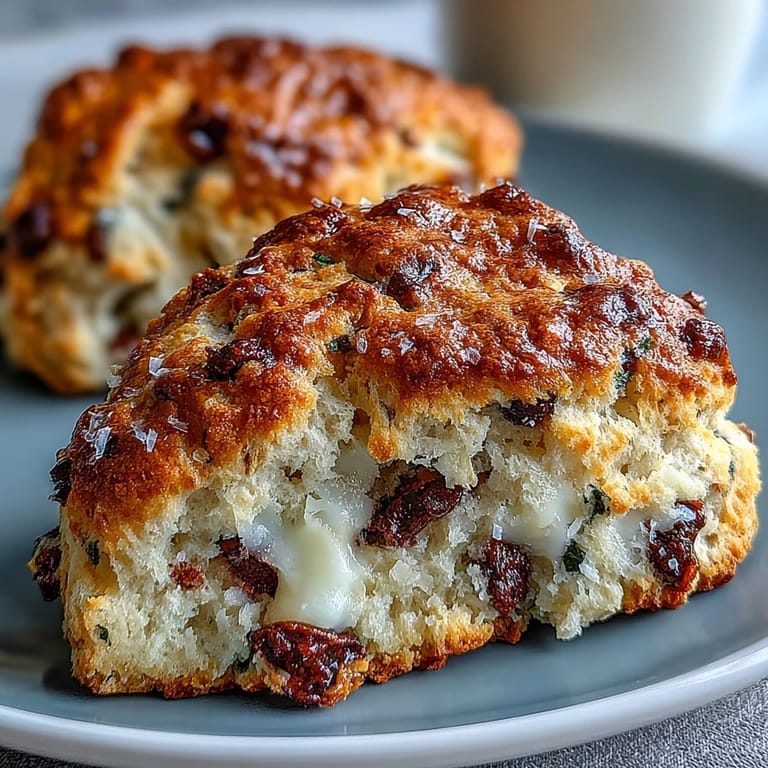
 There's a specific moment when warm scones meet butter and jam, when someone closes their eyes just slightly—that's when you know the recipe worked. These deliver that moment reliably, which is why I keep making them.
Why Sourdough Discard Changes Everything
Most scone recipes rely entirely on chemical leaveners, which can taste a little sharp if you're not careful with the balance. Sourdough discard brings a subtle fermented note that feels sophisticated without announcing itself, and it adds moisture that means you can skip some of the cream without sacrificing tenderness. The discard also contains wild yeast that contributes just enough activity to help the scones rise gently and evenly. I've made these with buttermilk and yogurt, and the sourdough version always tastes the most complete.
The Lemon and Blueberry Partnership
Lemon and blueberry feel like they were designed to meet in a scone. The zest goes into the dry ingredients so it distributes evenly, while the juice goes into the wet mixture where it can react with the baking soda and brighten everything. Fresh blueberries taste almost floral when paired with lemon, and the tartness of the sourdough acts as a bridge between the sweet fruit and the bright citrus. If you prefer a stronger lemon flavor, the notes section mentions a simple glaze, but honestly, the scones are stunning without it.
Storage and Make-Ahead Strategy
Scones are very much a fresh-from-the-oven food, but they keep acceptably in an airtight container for up to two days, which gives you options if you want to bake ahead for a gathering. You can also freeze the shaped dough wedges on a baking sheet and bake them directly from frozen, adding just a minute or two to the baking time; this is how I often have them ready without thinking.
- Wrap cooled scones individually in foil before placing them in a container to prevent them from drying out alongside each other.
- Refresh day-old scones by warming them gently in a 300°F oven for five minutes with a damp paper towel nearby.
- Never refrigerate scones because the cold starch sets too firmly, making them dense instead of tender.
 Save to Pinterest
 These scones sit at the intersection of practical and special, weekday and celebration. Once you've made them once, you'll keep making them.
FAQs About This Recipe
- → Can I use frozen blueberries?
Yes, fold frozen blueberries directly into the dough without thawing to prevent color bleeding.
- → What does sourdough discard add to the dough?
Sourdough discard contributes a mild tang and moisture, enhancing the scones' flavor and texture.
- → How do I achieve a flaky texture?
Cutting cold butter into the dry ingredients until coarse crumbs form creates layers that bake into a flaky finish.
- → Can I swap cream for another ingredient?
Buttermilk can be used in place of cream for a slightly different tang and tender crumb.
- → What’s the best way to store leftovers?
Keep scones in an airtight container at room temperature for up to two days to maintain freshness.