 Save to Pinterest
 One rainy Thursday, I found myself craving the orange chicken from my favorite takeout spot, but the delivery fee annoyed me so much that I decided to attempt it at home instead. I'd watched it being made through the restaurant's kitchen window a hundred times, so how hard could it be? Turns out, the magic was simpler than I expected—crispy chicken, a glossy sauce that clung to every bite, and that unmistakable citrus brightness that made the whole kitchen smell incredible. Now I make it more often than I order it, and honestly, mine tastes better because I can control how much orange actually goes into the sauce.
I made this for a dinner party last spring when my friend mentioned she'd been living off frozen dumplings for weeks, and watching her face light up when she took that first bite reminded me why cooking for people matters so much. Her partner asked for the recipe immediately, and I realized this was the kind of dish that makes people ask questions—not because it's complicated, but because it tastes like you've been hiding a secret.
Ingredients
- Boneless, skinless chicken thighs (600g): These stay juicier than breast meat when fried, and the bite-sized pieces cook evenly without becoming dry or tough.
- Eggs (2 large): The binding agent that makes the coating stick properly; don't skip this step no matter how tempting.
- Cornstarch and all-purpose flour (60g each): The combination gives you that signature crispy-but-light texture, better than either one alone.
- Fresh orange juice (180ml) and zest (2 tbsp): Use fresh squeezed if you can because the flavor difference is dramatic; bottled just tastes flat by comparison.
- Soy sauce (60ml): This adds umami depth that balances the sweetness and keeps the sauce from tasting one-dimensional.
- Sugar (60g), rice vinegar (2 tbsp), and hoisin sauce (1 tbsp): Together these create that sweet-tangy profile, and hoisin adds a subtle complexity that people won't be able to identify but will taste.
- Garlic, ginger, and red pepper flakes: Fresh versions matter here; minced fresh garlic beats paste, and ginger adds warmth without overwhelming.
- Cornstarch slurry (1 tbsp cornstarch + 2 tbsp water): This is what makes the sauce glossy and clingy instead of thin and runny.
- Vegetable oil for frying: You need enough to reach about 4cm depth so the chicken floats and crisps evenly on all sides.
Tired of Takeout? 🥡
Get 10 meals you can make faster than delivery arrives. Seriously.
One email. No spam. Unsubscribe anytime.
Instructions
- Prep your coating station:
- Whisk eggs in one bowl and mix cornstarch, flour, salt, and pepper in another—you'll move through this faster if everything's ready before you start. Think of it like an assembly line where the chicken goes egg, then flour, then straight to the pan.
- Fry the chicken in batches:
- Heat your oil to 175°C and listen for that gentle sizzle when the first piece hits—that's your signal everything's right. Fry for 4-5 minutes, turning occasionally, until each piece is golden and sounds crispy when you tap it with the tongs.
- Build the sauce:
- Combine juice, zest, soy sauce, sugar, vinegar, hoisin, garlic, ginger, and pepper flakes in a saucepan and let them simmer together until the sugar dissolves and everything smells like a sweet-savory dream. This is where the magic starts, and you'll notice the flavors deepening as it heats.
- Thicken and coat:
- Stir in your cornstarch slurry and watch the sauce transform into something glossy within a minute or two. Add the drained chicken and toss gently for just 2 minutes—any longer and you risk making it soggy.
- Finish and serve:
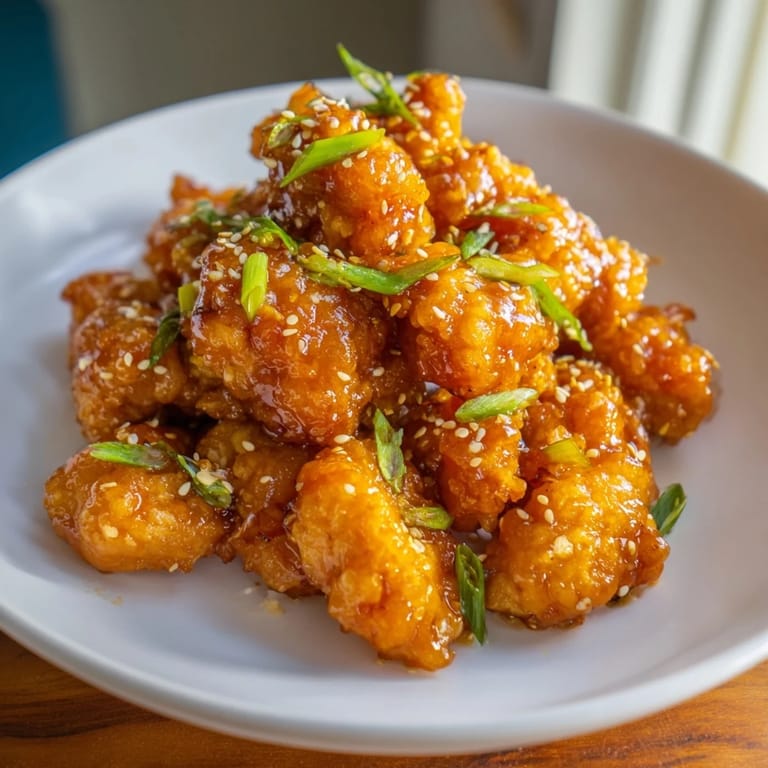
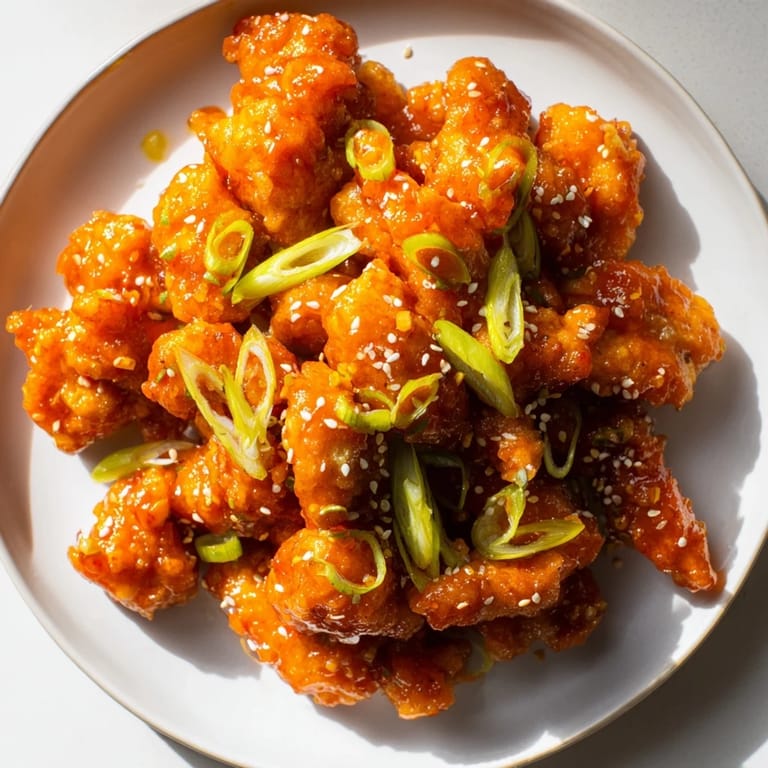
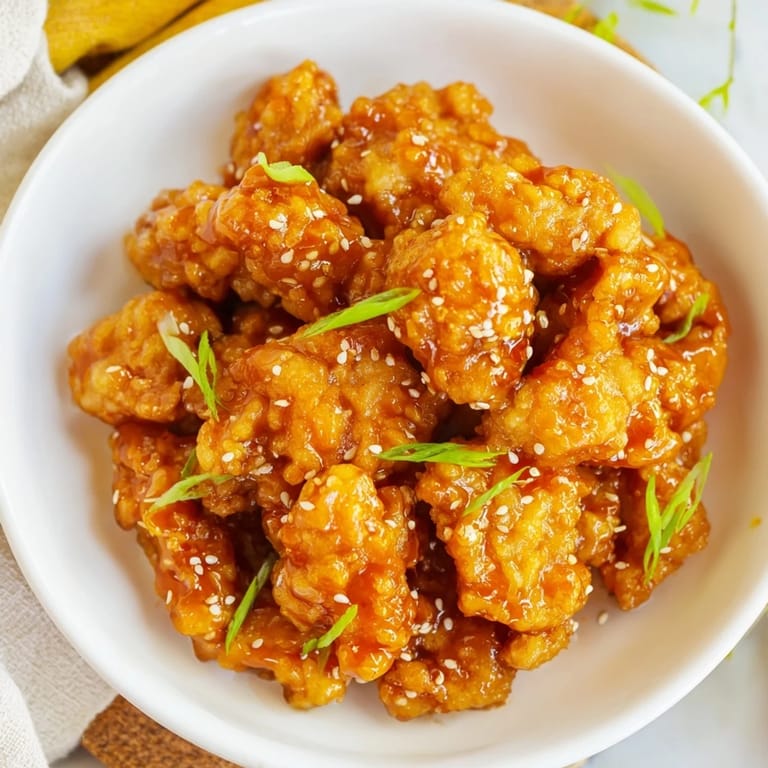
- Transfer everything to a serving platter and scatter spring onions and sesame seeds on top if you have them, but honestly even without garnishes this looks impressive.
 Save to Pinterest
 My neighbor smelled this cooking and knocked on my door asking what I was making, and we ended up eating dinner together while she told me stories about living in Taiwan and how takeout orange chicken was her guilty pleasure. That night taught me that simple, executed well, opens doors in ways fancy cooking sometimes doesn't.
Timing and Temperature Matter
The oil temperature is genuinely important here—too cool and the chicken absorbs oil instead of crisping, too hot and the outside burns before the inside cooks through. I learned this the hard way on my second attempt when I got impatient and cranked the heat, resulting in dark-brown-on-outside, still-raw-inside disasters. Use a thermometer if you have one, or just drop a small piece of bread in the oil—if it browns in about 30 seconds, you're ready. The sauce should be simmering gently, not boiling furiously, so the flavors meld instead of the citrus cooking off into the air.
Making It Your Own
Some people add a splash of sriracha to the sauce for heat, others use lime instead of orange for something brighter, and one friend of mine adds a tablespoon of sesame oil at the end for richness. I've tried them all and they all work because the foundation is solid—the beauty of this dish is that you can adjust it based on what you have and what mood you're in. One time I baked the chicken instead of frying when I was feeling virtuous, and while it wasn't quite as spectacular, it was still delicious and felt less heavy.
Serving and Storage
This tastes best served immediately while the chicken is still crispy, but leftovers reheat perfectly in a low oven if you need them to. The real question is whether to serve it with jasmine rice, fried rice, or just eat it straight from the platter while standing at the counter like I do most nights. Store any leftovers in an airtight container and eat within two days, though honestly it never lasts that long in my house.
- Jasmine rice or fried rice is the expected pairing, but steamed vegetables like broccoli soak up the sauce beautifully too.
- This freezes well for up to a month if you want to meal prep, though the texture is slightly softer when thawed.
- Leftovers can go straight into fried rice the next day if you're creative about breakfast—trust me on this one.
 Save to Pinterest
 This recipe turned into something I make without thinking anymore, the kind of dish that feels automatic now but still impresses people. There's something satisfying about taking a favorite takeout meal and claiming it as your own.
FAQs About This Recipe
- → What type of chicken works best?
Boneless, skinless chicken thighs are ideal due to their tenderness and flavor, ensuring juicy bites after frying.
- → How do I achieve a crispy coating?
Dipping the chicken pieces first in egg, then dredging in a mix of cornstarch and flour before frying creates a crunchy exterior.
- → Can the orange sauce be adjusted for heat?
Yes, adding crushed red pepper flakes balances the sweetness with a subtle spicy kick, adjustable to your preference.
- → Is it possible to bake instead of fry?
For a lighter option, bake the coated chicken at high heat until golden, which still provides a satisfying texture.
- → What sides complement this dish?
Steamed jasmine rice or fried rice pair well, as do steamed vegetables like broccoli or bell peppers for added color and nutrition.