 Save to Pinterest
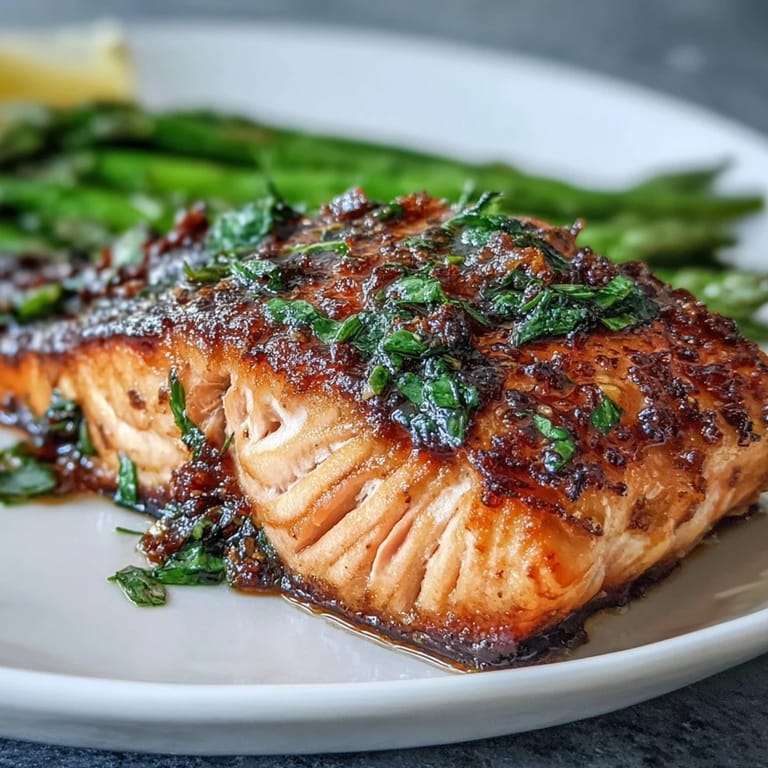
 There's something almost magical about the moment a salmon fillet's skin hits hot oil and transforms into something crackling and golden. My partner was skeptical about cooking fish at home until one Tuesday night when the kitchen filled with that unmistakable aroma of crispy skin and lemon. Twenty-five minutes later, we were both reaching for seconds, amazed that something this elegant took barely longer than ordering takeout. This dish became our go-to when we needed to feel fancy without the fuss.
I made this for my neighbor who swore she could never cook fish because of a traumatic overcooked situation years ago. Watching her cut into that salmon and see the tender, moist flesh was worth every minute of prep. She asked for the recipe before she'd even finished eating, and now she texts me photos of her attempts. That's when I knew this dish wasn't just good, it was transformative.
Ingredients
- Salmon fillets with skin: The skin-on part matters more than you'd think because that's where all the crispy magic happens, plus it protects the delicate flesh underneath.
- Sea salt and black pepper: Don't skip seasoning the fish directly; it creates a better crust than adding salt afterward.
- Olive oil: Use a good quality one you'd actually eat on bread, not the cheapest bottle, since it's such a prominent flavor here.
- Fresh asparagus: Look for firm spears with tight tips; limp asparagus will stay limp no matter how well you cook it.
- Garlic cloves, minced: Fresh garlic makes all the difference; jarred garlic will leave a tinny aftertaste that undermines everything else.
- Lemon zest and juice: Zesting before juicing saves you from wrestling with a half-squeezed lemon, and the zest adds brightness that juice alone can't deliver.
Tired of Takeout? 🥡
Get 10 meals you can make faster than delivery arrives. Seriously.
One email. No spam. Unsubscribe anytime.
Instructions
- Dry and season your salmon:
- Pat those fillets completely dry with paper towels like you're handling something precious, because moisture is the enemy of crispy skin. Season both sides generously and let them sit for a minute so the salt can begin its work.
- Get your oil screaming hot:
- Heat your skillet on medium-high and wait for the oil to shimmer and move like water, not sit there looking lazy. If the oil doesn't immediately sizzle when the salmon touches down, it's not hot enough.
- Skin-side down and commit to it:
- Place the salmon skin-side down and press gently with your spatula for the first few seconds to help the skin make full contact with the heat. Don't move it around; let it sit there and do its thing.
- Cook until the magic happens:
- Watch the flesh change color from the bottom up; when it's turned opaque about two-thirds of the way, you're ready to flip. This usually takes 4 to 5 minutes, though your specific stove might vary.
- A quick flip and finish:
- Flip gently and cook the other side for just 2 to 3 minutes until the flesh is barely opaque all the way through. The salmon continues cooking slightly after you remove it, so don't overdo this step.
- Sauté the asparagus with confidence:
- In that same skillet, add fresh oil and asparagus, cooking for about 2 minutes while stirring occasionally until the spears start to blister. Add your minced garlic and let it become fragrant, which takes another minute or so.
- Finish with brightness:
- Toss in the lemon zest and juice along with your salt and pepper, then cook for just 1 more minute so everything mingles. The asparagus should be tender but still have a slight firmness to it.
 Save to Pinterest
 My son, who claims he doesn't like salmon, actually asked for thirds the first time I made this. Watching him enjoy something he thought he hated reminded me that presentation and crispness count more than he was willing to admit. Now this is his go-to request when he brings friends over, and they have no idea they're eating keto-friendly food.
The Secret to Crispy Skin
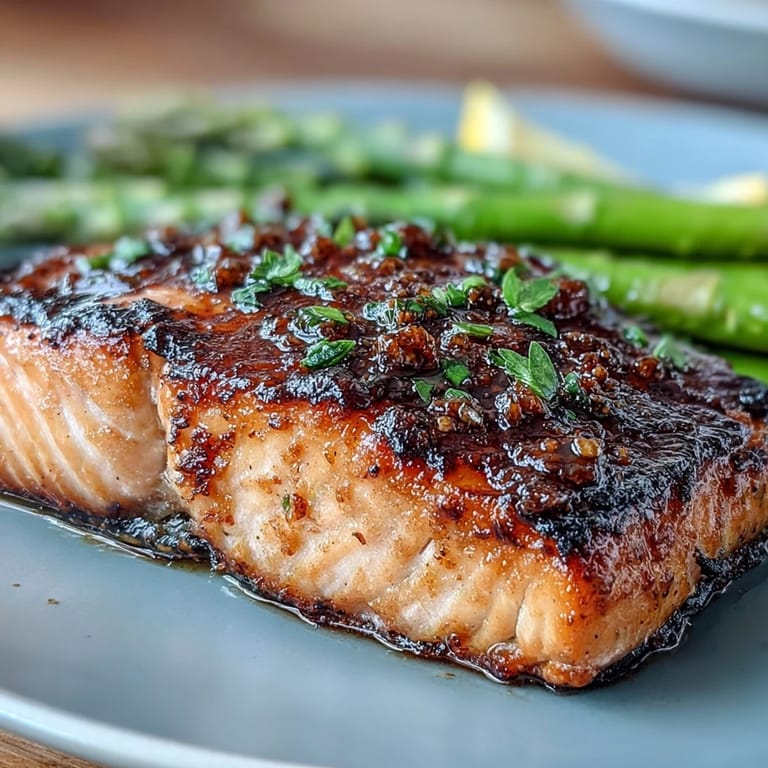
Crispy salmon skin is honestly one of the most satisfying sounds and textures in cooking, and it all comes down to starting with dry fish and a hot enough pan. I learned this the hard way after several soggy attempts where my skillet simply wasn't hot enough or my fish was damp. Now I treat the drying step like it's the most important part of the recipe, because frankly, it kind of is.
Why This Pairing Works So Well
Asparagus and salmon are old friends in the cooking world, and there's a reason for that; the earthiness of the asparagus balances the richness of the salmon fat beautifully. The lemon ties them together and adds acidity that makes every bite feel lighter and brighter than it actually is. Together, they create a meal that feels both comforting and refined, which is genuinely hard to achieve.
Make It Your Own
This recipe is honestly a framework more than a strict set of rules, and I've learned that the best dishes are the ones you adapt to what's in your kitchen. I've made this with green beans when asparagus looked sad at the market, and with chili flakes when I wanted something with a little heat. The core technique stays the same; it's the vegetables and seasonings that give you room to play around.
- Substitute the asparagus with green beans, broccoli, or even zucchini if that's what you have on hand.
- Add a pinch of chili flakes to the asparagus if you like a subtle kick without overwhelming the dish.
- A dry white wine like Sauvignon Blanc pairs beautifully, though the lemon does most of the work for you flavor-wise.
 Save to Pinterest
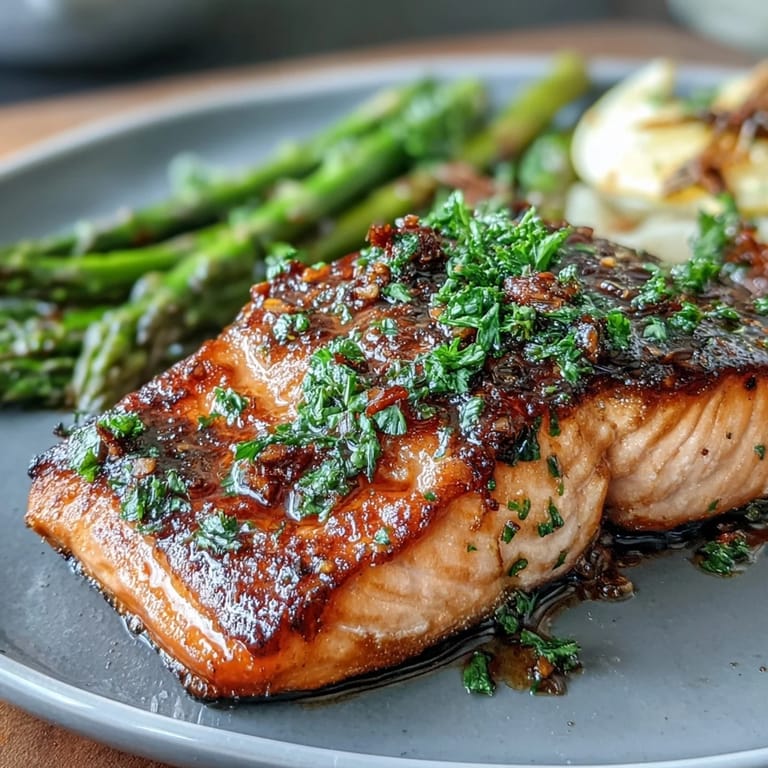
 This meal has become my answer to the question of what to cook when I want something that feels special but doesn't require hours in the kitchen. It's become proof that eating well doesn't have to be complicated or time-consuming.
FAQs About This Recipe
- → How do I get the salmon skin crispy?
Pat the salmon skin dry and cook skin-side down on medium-high heat without moving it, pressing gently to prevent curling. Cook until the skin turns crisp and golden.
- → Can I substitute the asparagus with other vegetables?
Yes, green beans or broccoli can be sautéed with lemon and garlic as a delicious alternative to asparagus.
- → What type of oil is best for cooking this dish?
Extra virgin olive oil works well, providing flavor and helping achieve a good sear on the salmon and asparagus.
- → How do I avoid overcooking the salmon?
Cook the fillets skin-side down first, then flip and cook briefly until just opaque two-thirds up the side to keep the fish moist.
- → Can I add extra flavor to the asparagus?
Adding a pinch of chili flakes while sautéing the asparagus adds a subtle spicy kick to elevate the dish.