 Save to Pinterest
 The first time I made lemon pepper chicken was a Tuesday night when I realized I'd forgotten to plan dinner entirely. I grabbed what was in the fridge, squeezed a lemon over some chicken breasts, cracked black pepper across them with maybe too much enthusiasm, and threw them in a hot pan. Twenty minutes later, my kitchen smelled incredible and dinner was ready. It became the recipe I make whenever I need something reliable but want it to feel special.
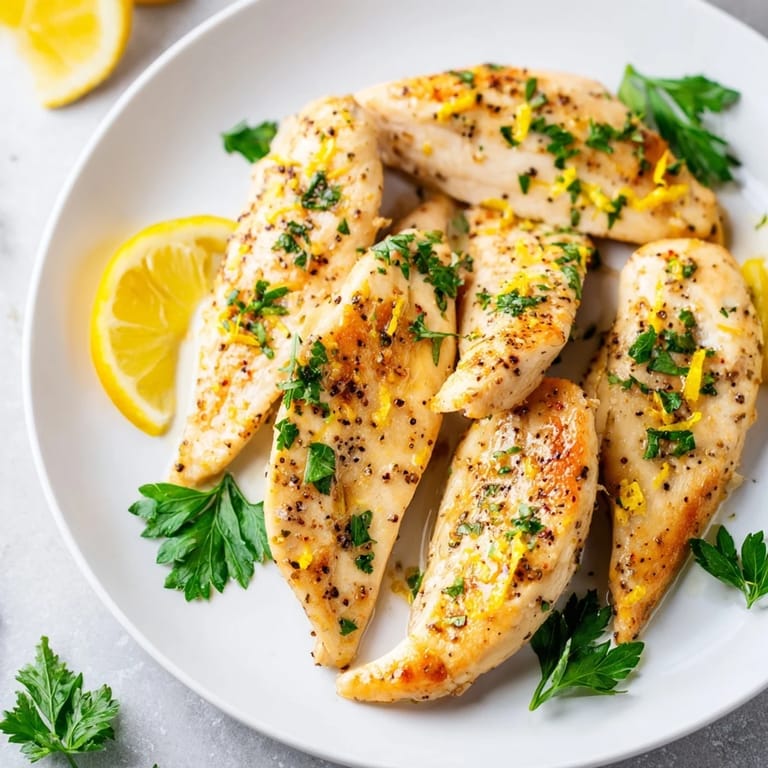
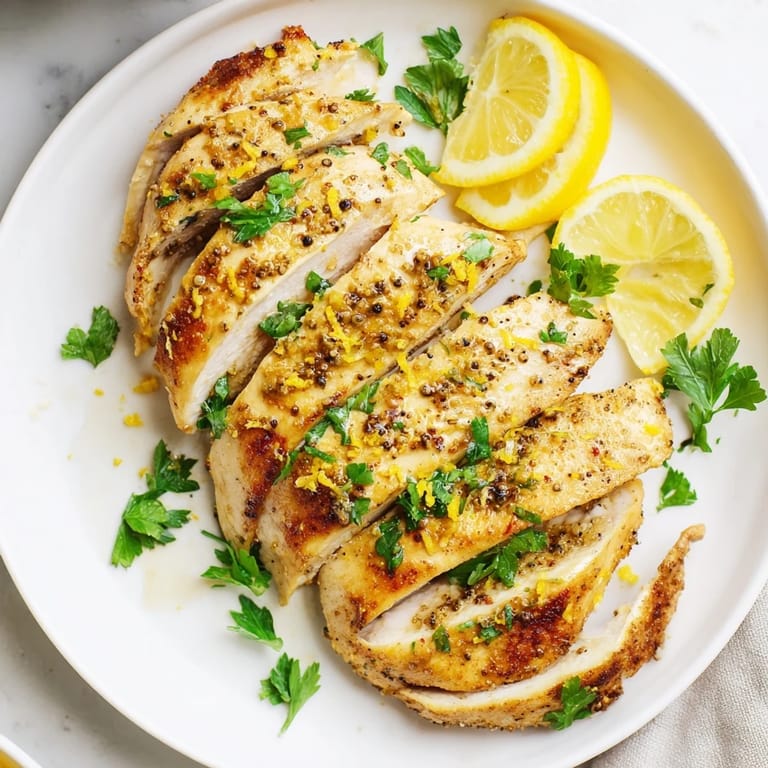
I made this for my sister's unannounced visit one Saturday afternoon, and she stood at the counter while I worked, asking why it smelled like a restaurant. The sizzle of the chicken hitting the hot pan, the way the lemon zest caught the light as I scattered it over everything—she said it looked too easy to be real food. We ate it straight off the cutting board, no sides, just chicken and lemon wedges, and she asked for the recipe before she left.
Ingredients
- Boneless, skinless chicken breasts: Four pieces around 600 grams give you enough for four hungry people or leftovers if you're cooking for yourself.
- Olive oil: Two tablespoons is your cooking foundation and helps the seasoning cling to the chicken.
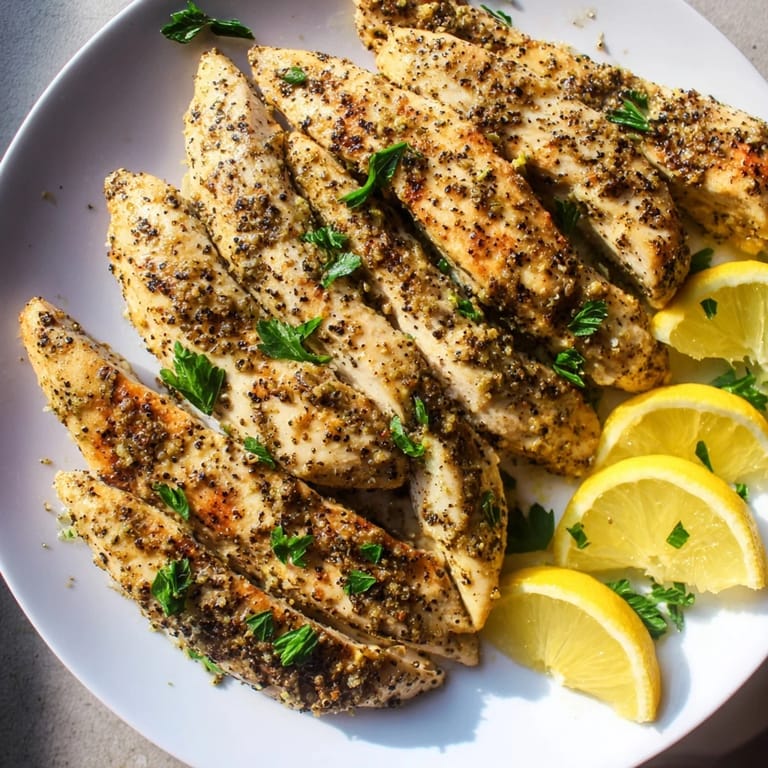
- Freshly cracked black pepper: One full tablespoon matters here—pre-ground pepper gets dusty, but fresh cracks taste alive and sharp.
- Sea salt: One teaspoon, though you can taste as you go if you're nervous about salt levels.
- Lemon zest and juice: One whole lemon gives you both the brightness and a subtle tartness that rounds out the pepper.
- Minced garlic: Two cloves add depth without overpowering the clean citrus flavor.
- Fresh parsley: Optional but worth it—the green adds life to the plate and a gentle herbal note.
- Lemon wedges: Serve these on the side so people can adjust the tartness to their taste.
Tired of Takeout? 🥡
Get 10 meals you can make faster than delivery arrives. Seriously.
One email. No spam. Unsubscribe anytime.
Instructions
- Dry your chicken:
- Pat the breasts dry with paper towels before seasoning. Moisture is the enemy of a good sear, so don't skip this.
- Make the marinade:
- Whisk together the olive oil, black pepper, salt, lemon zest, juice, and garlic in a large bowl. You'll see the zest floating like little flavor bombs—that's exactly what you want.
- Coat and rest:
- Toss the chicken until every surface glistens with the marinade. Let it sit for 10 to 15 minutes while you decide whether you're roasting or pan-searing today.
- Roast or sear your choice:
- For roasting, heat your oven to 200°C (400°F), place the chicken on parchment paper, and roast for 20 to 25 minutes until the internal temperature hits 74°C (165°F). For pan-searing, heat a skillet over medium-high heat, add a drizzle of oil, and cook each side 5 to 7 minutes until golden and cooked through.
- Let it rest:
- Give the chicken 5 minutes of peace after cooking. This keeps the juices inside where they belong.
- Garnish and serve:
- Scatter fresh parsley on top, squeeze those lemon wedges over everything, and serve while it's still warm.
 Save to Pinterest
 There's a moment when you're cooking this dish where the smell hits you, and suddenly you understand why lemon and pepper are a classic combination. It's not fancy or complicated, but it's the kind of food that feels thoughtful because you took ten extra minutes to zest a lemon instead of just squeezing juice into a pan.
Roasting Versus Pan-Searing
Roasting gives you a more evenly cooked result and feels hands-off once the chicken goes in the oven. Pan-searing is faster and creates a more golden, caramelized exterior, though you need to stay present to manage the heat. I roast when I'm organized and pan-sear when I'm multitasking and need to listen to the sizzle.
Variations That Work
If you want more depth, add a teaspoon of dried oregano or thyme to the marinade—they mesh beautifully with the citrus without competing for attention. Boneless chicken thighs will give you a juicier result than breasts, though they take a few extra minutes to cook through. This recipe also loves roasted vegetables or a fresh green salad as a companion.
Making It Taste Like More
The secret to this feeling like real food rather than just chicken is not holding back on either the lemon or the pepper. Both need to announce themselves. Serve it with fresh lemon wedges so people can adjust the brightness to their taste, and don't apologize for how simple it is—sometimes the best meals are the ones that let each ingredient shine without fuss.
- Always let chicken rest after cooking so it stays juicy instead of dry.
- Fresh lemon zest makes a bigger flavor impact than juice alone, so don't skip it.
- Taste a tiny piece of the marinade before you add the chicken to make sure the salt and pepper balance feels right to you.
 Save to Pinterest
 This is the kind of recipe that becomes a staple not because it's complicated, but because it works every single time and tastes like you actually tried. Keep it in rotation for nights when you want something good without the headache.
FAQs About This Recipe
- → How long should the chicken marinate?
Marinate the chicken for 10–15 minutes to allow the lemon and pepper flavors to penetrate the meat.
- → Can I use chicken thighs instead of breasts?
Yes, boneless thighs can be used for a juicier and more tender result.
- → What are the best cooking methods for this dish?
You can roast the chicken at 200°C (400°F) for 20–25 minutes or pan-sear it for about 5–7 minutes per side until golden.
- → How do I know when the chicken is fully cooked?
The internal temperature should reach 74°C (165°F) to ensure it is safely cooked through.
- → Are there any suggested garnishes?
Fresh chopped parsley and lemon wedges enhance the flavors and presentation.