 Save to Pinterest
 My kitchen counter was streaked with crimson the morning I first zested blood oranges for this cake. I'd grabbed them at the farmers market on a whim, drawn to their deep ruby color, and decided a plain yogurt cake needed exactly that kind of drama. The batter turned pale pink, the house smelled like a citrus grove in January, and I knew I'd stumbled onto something special. When my neighbor knocked to borrow sugar and left with a warm slice instead, she texted me three days later begging for the recipe. That's when this cake officially became a keeper.
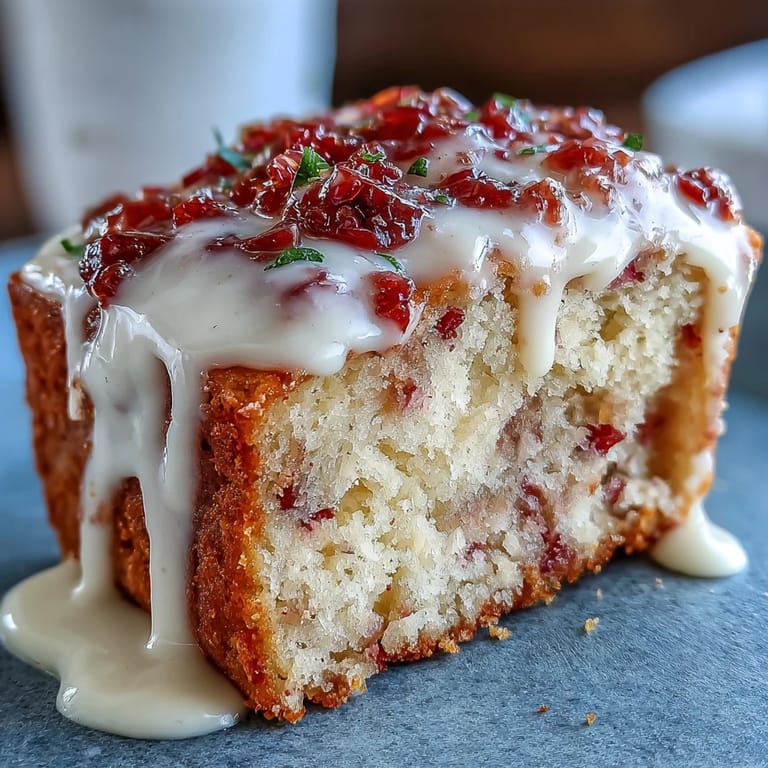
I made this for my friend's birthday brunch last spring, and it sat in the center of the table like a little jewel. The ruby streaks in the icing caught the morning light, and everyone hesitated before cutting into it because it just looked too pretty. Once we did, though, the soft crumb and tangy citrus flavor had us all going back for seconds. One friend, who usually skips dessert, ate two slices and declared it her new favorite thing. I've been making it ever since whenever I want something that feels a little fancy but doesn't require pastry school skills.
Ingredients
- All purpose flour: This forms the structure of the cake; I always spoon it into the measuring cup and level it off so it doesn't get too dense.
- Baking powder: The leavening agent that gives the cake its tender, airy rise, so make sure yours is fresh or the texture will be flat.
- Salt: Just a pinch balances the sweetness and makes all the citrus flavors pop even more.
- Plain Greek yogurt: The secret to that perfect moist crumb; I use full fat for richness, but 2% works if that's what you have.
- Granulated sugar: Sweetens the batter and helps create that lovely golden crust on the edges.
- Large eggs: Room temperature eggs blend more smoothly into the batter and create a better texture, so I set mine out while I gather everything else.
- Blood orange zest: This is where the magic happens; the oils in the zest give intense citrus flavor without adding extra liquid.
- Blood orange juice: Freshly squeezed is a must here, bottled juice just doesn't have the same vibrant taste.
- Vanilla extract: A gentle background note that rounds out the citrus and makes everything taste more complex.
- Coconut oil: Melted and cooled, it adds moisture and a subtle tropical hint that pairs beautifully with the oranges.
- Powdered sugar: Sifted so the icing is silky smooth with no lumps, which makes all the difference when you drizzle it.
Tired of Takeout? 🥡
Get 10 meals you can make faster than delivery arrives. Seriously.
One email. No spam. Unsubscribe anytime.
Instructions
- Prep your pan:
- Preheat the oven to 350°F and get your loaf pan ready by buttering and flouring it, or lining it with parchment for easy release. I like parchment because I can lift the whole cake out without any fuss.
- Mix the dry ingredients:
- Whisk together the flour, baking powder, and salt in a medium bowl until everything is evenly distributed. This step prevents clumps and ensures the baking powder is spread throughout.
- Combine yogurt and sugar:
- In a large bowl, whisk the Greek yogurt and granulated sugar until the mixture is smooth and the sugar starts to dissolve. It should look creamy and pale, almost like thick frosting.
- Add eggs and citrus:
- Whisk in the eggs one at a time, letting each one blend in before adding the next, then stir in the blood orange zest, juice, and vanilla. The batter will take on a lovely blush color and smell incredible.
- Fold in the flour:
- Gradually add the dry ingredients to the wet mixture, folding gently with a spatula until just combined and no streaks of flour remain. Overmixing here will make the cake tough, so stop as soon as it comes together.
- Incorporate the oil:
- Gently fold in the melted and cooled coconut oil until fully incorporated and the batter looks glossy. Make sure the oil isn't hot or it will scramble the eggs.
- Bake the cake:
- Pour the batter into your prepared loaf pan, smooth the top, and bake for 50 minutes or until a toothpick inserted in the center comes out clean. The top should be golden and spring back lightly when touched.
- Cool completely:
- Let the cake cool in the pan for 10 minutes, then turn it out onto a wire rack to cool all the way before icing. If you ice it while warm, the icing will just melt and run off.
- Make the icing:
- Whisk together the powdered sugar, blood orange juice, and zest until smooth and pourable, adjusting with a little more juice if it's too thick. It should ribbon off the whisk but still hold its shape slightly.
- Drizzle and set:
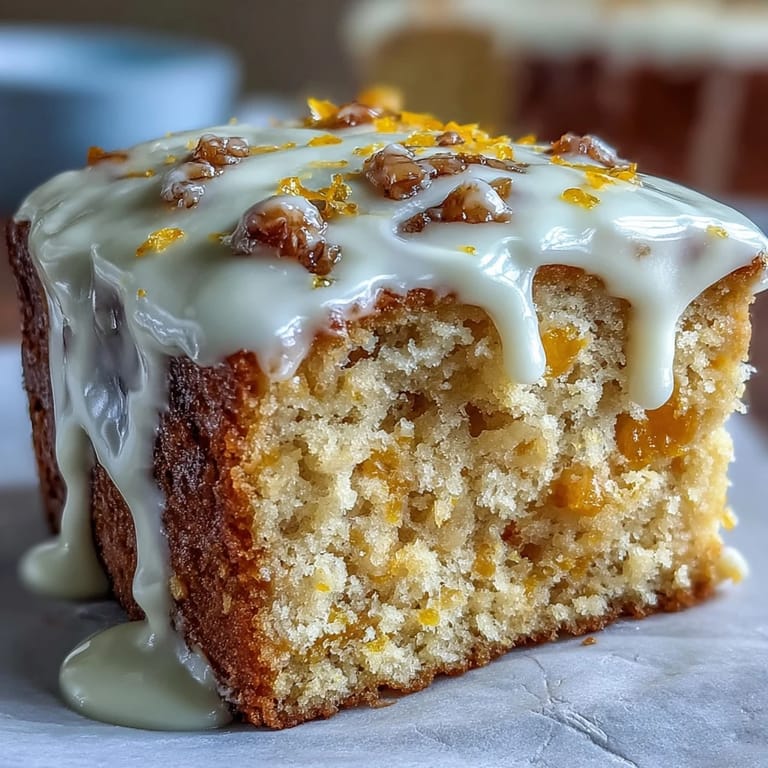
- Once the cake is completely cool, drizzle the icing over the top in a zigzag pattern and let it set for at least 20 minutes. I like to let a little drip down the sides for that rustic bakery look.
 Save to Pinterest
 The first time I brought this to a potluck, someone asked if I'd bought it from a fancy bakery downtown. I laughed and told her it took me less effort than making a batch of cookies, and she didn't believe me until I sent her the recipe. That moment, watching her eyes widen at how simple it was, reminded me that the best recipes are the ones that look impressive but feel effortless. This cake does exactly that, turning a handful of everyday ingredients into something that makes people pause and smile.
Choosing Your Blood Oranges
Not all blood oranges are created equal, and I learned that the hard way after buying a bag that looked gorgeous but had almost no flavor. Look for ones that feel heavy for their size, with deep color on the skin, and give them a gentle squeeze to make sure they're not dried out. If you can't find blood oranges, regular navel or Cara Cara oranges work too, though you'll lose that stunning ruby hue. I like to buy an extra one just in case I need more juice or zest, because there's nothing worse than coming up short mid recipe.
Storing and Serving
This cake keeps beautifully at room temperature for up to two days if you cover it loosely with foil or a cake dome. After that, I move it to the fridge where it stays moist for nearly a week, though the icing may lose a bit of its sheen. I've served it plain for breakfast with coffee, topped with whipped cream for dessert, and even alongside fresh raspberries at a spring picnic. It's one of those rare cakes that works just as well at 9 a.m. as it does at 9 p.m., which is exactly why it's become my go to for almost any occasion.
Make It Your Own
Once you've made this a few times, you'll start seeing all the ways you can play with it. I've swapped the coconut oil for melted butter when I wanted a richer flavor, and I've added a tablespoon of poppy seeds for a little texture and visual interest. A friend of mine uses Meyer lemons instead of blood oranges in the winter, and another stirs in a handful of fresh blueberries before baking. The yogurt base is so forgiving that it welcomes almost any citrus or berry you throw at it, and every version I've tried has been a hit.
- Try adding a teaspoon of almond extract to the batter for a subtle nutty undertone.
- Fold in fresh or frozen berries if you want bursts of fruit in every bite.
- Double the icing and use it as a glaze by pouring it over the whole cake instead of just drizzling.
 Save to Pinterest
 This cake has become my love letter to winter citrus season, and every time I make it, I'm reminded why I keep coming back to simple, honest recipes. Slice it thick, share it generously, and don't be surprised if it becomes your new favorite way to celebrate any ordinary day.
FAQs About This Recipe
- → Can I use regular oranges instead of blood oranges?
Yes, you can substitute navel oranges or cara cara oranges. The flavor will be slightly less complex and the color won't have that signature ruby hue, but you'll still get delicious citrus results.
- → Why use Greek yogurt in baking?
Greek yogurt adds moisture and creates a tender crumb structure. Its tangy flavor complements the sweet blood oranges beautifully, while the protein helps provide structure to the loaf.
- → How do I know when the cake is done baking?
Insert a toothpick into the center of the loaf—if it comes out clean or with just a few moist crumbs, it's ready. The top should be golden brown and springs back when gently pressed.
- → Can I make this cake ahead of time?
Absolutely! The cake actually develops more flavor overnight. Store it covered at room temperature for up to 2 days. Add the icing the day you plan to serve for the freshest appearance.
- → What's the best way to zest blood oranges?
Use a microplane or zester to remove just the colorful outer layer, avoiding the bitter white pith beneath. Zest before juicing the fruit—it's much easier to handle whole oranges.