 Save to Pinterest
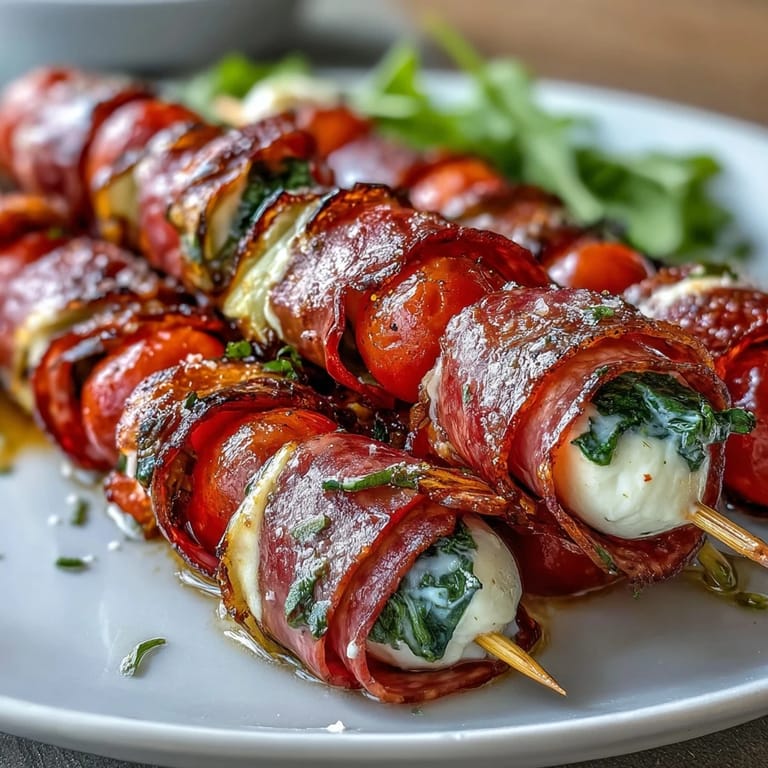
 My neighbor casually mentioned she'd assembled these Italian sub skewers for a neighborhood gathering, and I watched people gravitate toward them all afternoon like they were the only thing on the table. The combination of familiar deli flavors on a stick felt almost too simple, yet somehow it worked beautifully. What really caught my attention was how she served them with homemade aioli instead of the usual bottled mayo, and that's when I realized the whole thing clicked into place. Now whenever I need something that looks intentional but takes almost no time, these skewers are my answer.
I made these for my daughter's soccer team celebration, and her coach asked for the recipe before we'd even finished eating. What surprised me most was watching the kids bypass the fancy desserts to load up on skewers, which felt like a small victory for not making everything overly complicated. The aioli became the star of the show—people kept asking if I'd bought it from an Italian market, and I let them believe it took more effort than it did.
Ingredients
- Genoa salami: Buy it sliced thin at the deli counter and ask them to stack the slices so you can tear or fold them neatly onto the skewer without wasting time.
- Deli ham: The quality here matters since it's front and center; don't grab the pre-packaged stuff if you can help it.
- Mortadella: This Italian pork product has a delicate flavor that sets the whole thing apart, so seek it out rather than substituting with ham.
- Mozzarella balls (bocconcini): Look for them in the dairy section, usually packed in water or light brine, and drain them well before threading.
- Cherry tomatoes: Choose ones that are firm and similar in size so they thread evenly without splitting.
- Pepperoncini: These brined pepper rings bring a gentle heat and vinegary brightness that balances the richness of the meats and cheese.
- Marinated artichoke hearts: Drain them thoroughly and chop into bite-sized pieces, keeping some of their marinating oil for extra flavor.
- Pitted black olives: Kalamata olives add earthiness, but any good quality olive works as long as you've removed the pits.
- Roasted red peppers: These can be jarred and drained, or roast your own if you're feeling ambitious.
- Romaine lettuce: Use just small pieces to add crunch and a fresh note without overwhelming the savory components.
- Egg yolk for aioli: Use the freshest eggs you have, ideally room temperature, so the emulsion comes together smoothly.
- Dijon mustard: This acts as an emulsifier and adds a subtle sharpness that keeps the aioli from tasting one-dimensional.
- Garlic: Mince it finely and let it sit for a minute after cutting so the flavors mellow slightly.
- Lemon juice: Freshly squeezed tastes noticeably brighter than bottled, and it's the backbone of the aioli's balance.
- Extra virgin olive oil: Use a good quality one you'd actually drink, since you can taste it in the finished aioli.
- Neutral oil: This prevents the aioli from becoming too heavy and olive-forward, creating a silkier texture.
Tired of Takeout? 🥡
Get 10 meals you can make faster than delivery arrives. Seriously.
One email. No spam. Unsubscribe anytime.
Instructions
- Set up your skewer station:
- Lay out all your ingredients in small bowls or on a cutting board so you can work quickly without hunting through the fridge. If using bamboo skewers, soak them in water for at least 15 minutes so they don't splinter or char.
- Build the flavor layers:
- Thread each skewer by folding or rolling the meats loosely so they don't tear, then alternate the remaining ingredients for visual appeal and balanced bites. The key is not packing them too tightly—leave a little space so everything can be eaten comfortably and the flavors feel distinct rather than mashed together.
- Make the aioli magic:
- Whisk the egg yolk, mustard, garlic, and lemon juice until you see the mixture become pale and slightly thickened. This is the emulsion beginning, and it's where patience matters—add the oils in a thin, steady stream while whisking constantly, never rushing or the whole thing might break.
- Finish and season:
- Once the aioli reaches a thick, creamy consistency that coats the back of a spoon, taste it and adjust the salt and pepper. A pinch of extra lemon juice brightens it right before serving if it feels heavy.
- Chill and present:
- Cover the skewers loosely and refrigerate until you're ready to serve, then arrange them on a platter with the aioli in a small bowl alongside. This does double duty of keeping everything fresh and looking intentional on the table.
 Save to Pinterest
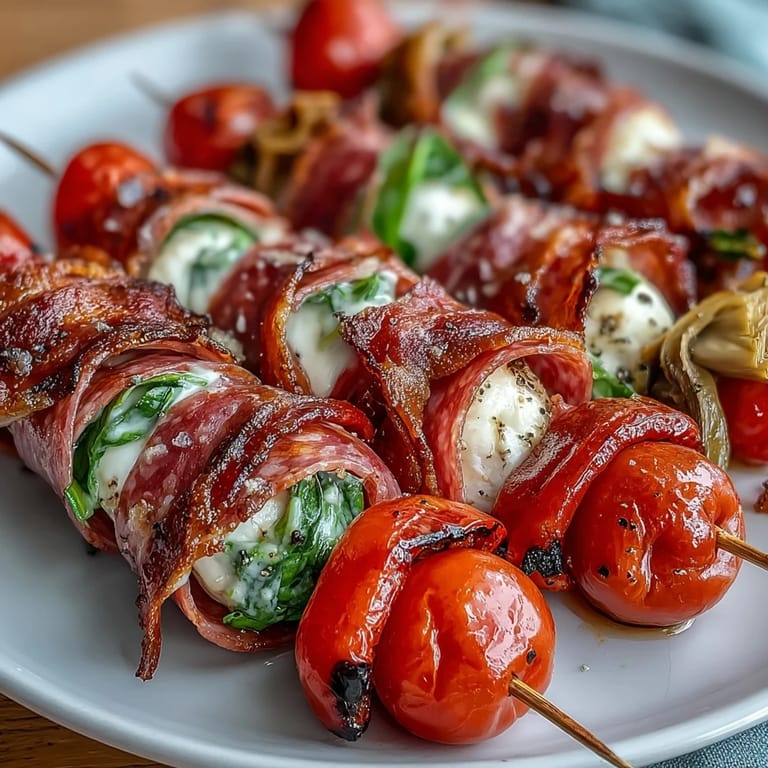
 The moment that made me love these skewers happened at a friend's casual dinner party where everyone had expected something complicated, only to find these elegant little bites waiting. Nobody cared that it took twenty minutes; they just saw Italian flavors on a stick and felt celebrated. That's when I understood that sometimes the most impressive thing you can do is make people feel like you cared enough to think about the details.
Building Flavor Without Fuss
What makes these skewers work is the interplay of textures and temperatures—you've got cold meats, soft cheese, briny vegetables, and that warm dip of creamy aioli all happening at once. The marinated artichokes and pepperoncini add acidity and brightness that cuts through the richness of the meats and cheese, so every bite feels balanced rather than heavy. I learned this by accident when I first made them with only bland ingredients and realized halfway through the party that contrast was everything.
Making Aioli Feel Less Intimidating
Homemade aioli sounds fancy but it's really just mayonnaise with attitude, and once you understand that emulsions are just about patience and temperature, you'll make it every time. The egg yolk is doing the hard work by holding the oil and lemon juice in suspension, and your only job is to add the oil slowly enough that it cooperates. I used to fear it would break, but after realizing I could always start over with a new yolk, the pressure disappeared and I started actually enjoying the process.
Timing and Make-Ahead Strategy
These skewers are designed for the person who wants something impressive without the stress, and that's the whole point. You can assemble them up to two hours before guests arrive, which means you're actually free to enjoy the gathering instead of frantically working in the kitchen. The aioli keeps refrigerated for three days, so making it the day before is completely acceptable and honestly makes things smoother.
- Prep all ingredients the night before and store them separately so morning assembly takes just ten minutes.
- If you're nervous about the aioli, make it first while you're fresh and let it chill while you assemble the skewers.
- Don't skip soaking wooden skewers—it's the one small step that prevents frustration and splinters later.
 Save to Pinterest
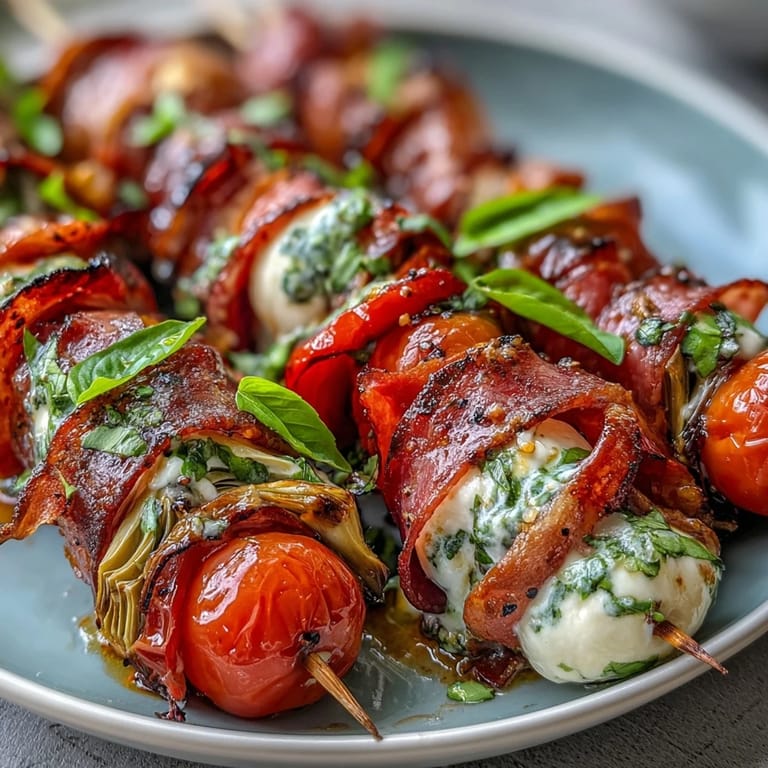
 These skewers have become my secret weapon for feeling put-together without the stress, and they remind me that sometimes the best entertaining happens when you're not overthinking it. Serve them chilled, watch people smile, and take a breath knowing you've done something thoughtful and delicious.
FAQs About This Recipe
- → What meats are used in the skewers?
The skewers include Genoa salami, deli ham, and mortadella for a savory combination.
- → How is the homemade aioli prepared?
The aioli is made by whisking egg yolk, Dijon mustard, garlic, lemon juice, and slowly emulsifying with olive and neutral oils.
- → Can the skewers be made vegetarian?
Yes, meats can be omitted and replaced with grilled vegetables like zucchini or eggplant for a vegetarian version.
- → What vegetables are included on the skewers?
The skewers feature cherry tomatoes, pepperoncini rings, marinated artichoke hearts, black olives, roasted red peppers, and romaine lettuce.
- → How should the skewers be served and stored?
Arrange on a platter with aioli on the side for dipping; keep chilled until serving to maintain freshness.