 Save to Pinterest
 My neighbor stopped by one evening and caught me in the middle of dinner prep, watching these turkey meatballs turn golden in the oven. She leaned against the counter, inhaled deeply, and said, "That smells like someone who knows what they're doing." I laughed because I was still learning, but something about turkey meatballs had clicked for me—they're forgiving enough for weeknight cooking but elegant enough to feel intentional. This is the recipe I've made at least a hundred times since, and it never disappoints.
I made these for my sister's book club last spring, and the running joke became that everyone was too busy eating to actually discuss the book. Someone asked for the recipe that night, then three more people asked me to repeat it over email. It was the first time I realized a simple weeknight dinner could actually impress people, and that changed how I thought about cooking for others.
Ingredients
- Ground turkey: This is your canvas—look for meat that's finely ground, not too coarse, because it binds better and creates a tender bite instead of a dense, chewy meatball.
- Egg: Just one egg is your binder, and it's enough; too many and your meatballs become rubbery instead of tender.
- Breadcrumbs: The milk-soaked breadcrumbs (what Italian cooks call pangrattato bagnato) are what make these pillowy and soft, not compact.
- Parmesan cheese: Freshly grated Parmesan adds umami and a subtle salt that keeps you from needing to over-season.
- Garlic and fresh parsley: Fresh parsley matters more than you'd think—it brightens everything and adds a green, herbal note that plays against the rich sauce.
- Oregano and salt: Dried oregano here is your friend because it stays consistent, and salt brings out the turkey's natural flavor instead of making it taste gamey.
- Olive oil for sauce: Quality olive oil makes the sauce taste like it's been simmering for hours even though it hasn't.
- Crushed tomatoes: Canned crushed tomatoes are honestly better than fresh here because they're already broken down and cook into a silky sauce faster.
- Onion and more garlic: The onion softens and becomes almost sweet in the sauce, while the garlic mellows and infuses everything with warmth.
Tired of Takeout? 🥡
Get 10 meals you can make faster than delivery arrives. Seriously.
One email. No spam. Unsubscribe anytime.
Instructions
- Get your oven ready and prep your workspace:
- Preheat to 200°C (400°F) and line your baking tray with parchment paper—this prevents sticking and makes cleanup almost effortless. A clean workspace and everything prepped means you're already halfway to success.
- Mix your meatball base gently:
- In a large bowl, combine the turkey, egg, breadcrumbs, milk, Parmesan, garlic, parsley, oregano, salt, and pepper. The key word here is gently—overworking the mixture makes tough meatballs, so use a fork or your hands and stop as soon as everything just comes together. You're looking for a texture that holds shape but still feels loose and tender.
- Shape and arrange:
- Roll the mixture into golf-ball-sized portions (about 16 to 18 meatballs) and place them on your prepared tray with a little space between each one. They don't need to be perfect—rustic is actually more appetizing.
- Bake until golden:
- Bake for 18 to 20 minutes, turning them halfway through for even browning. You're looking for a light golden color on the outside and fully cooked centers; a quick internal check with a meat thermometer (165°F/74°C) takes the guesswork out.
- Build your sauce while meatballs bake:
- Heat olive oil in a large saucepan over medium heat, then add your chopped onion and let it soften for 3 to 4 minutes until it's translucent and sweet-smelling. Add the minced garlic and cook for another minute until fragrant, then pour in your crushed tomatoes along with basil, oregano, a pinch of sugar if your tomatoes taste acidic, and a generous seasoning of salt and pepper.
- Simmer the sauce:
- Let it bubble gently for about 10 minutes, stirring occasionally, so the flavors marry and the sauce loses any raw tomato taste. It should smell rich and inviting by now.
- Bring it together:
- Carefully transfer your baked meatballs into the simmering sauce and let everything cook together gently for another 10 minutes. Spoon the sauce over the meatballs occasionally so they absorb all that tomato-herb goodness.
- Cook your base:
- While the meatballs finish in sauce, cook your pasta or rice according to package instructions. This timing works out so everything finishes at almost the same moment, which is the kind of small kitchen magic that makes dinner feel effortless.
- Plate and serve:
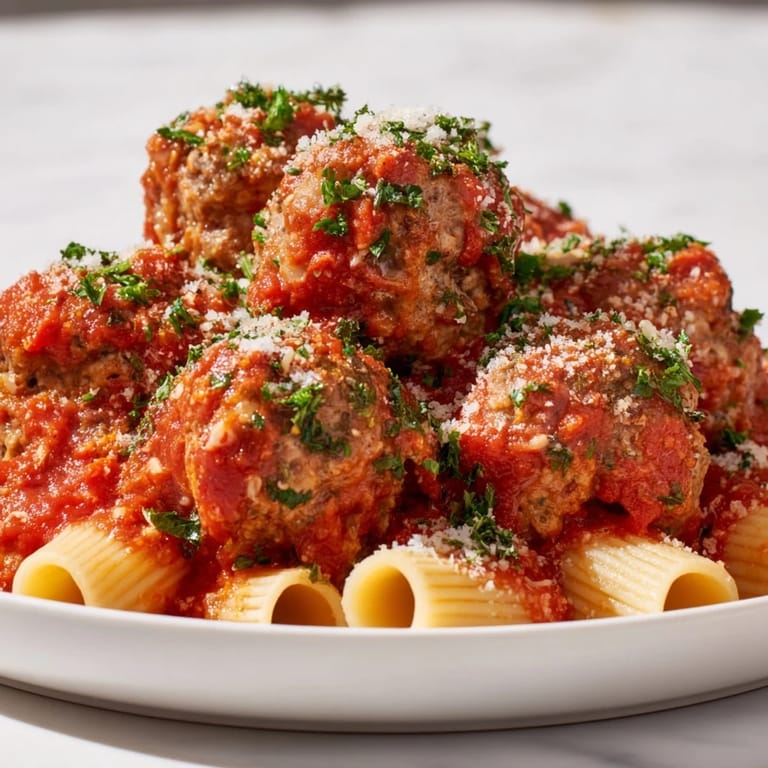
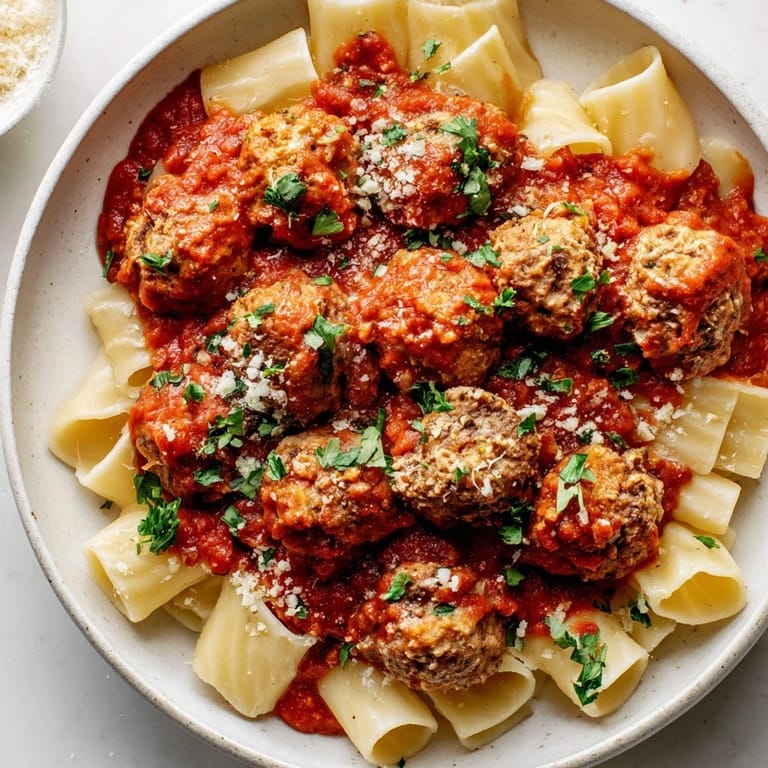
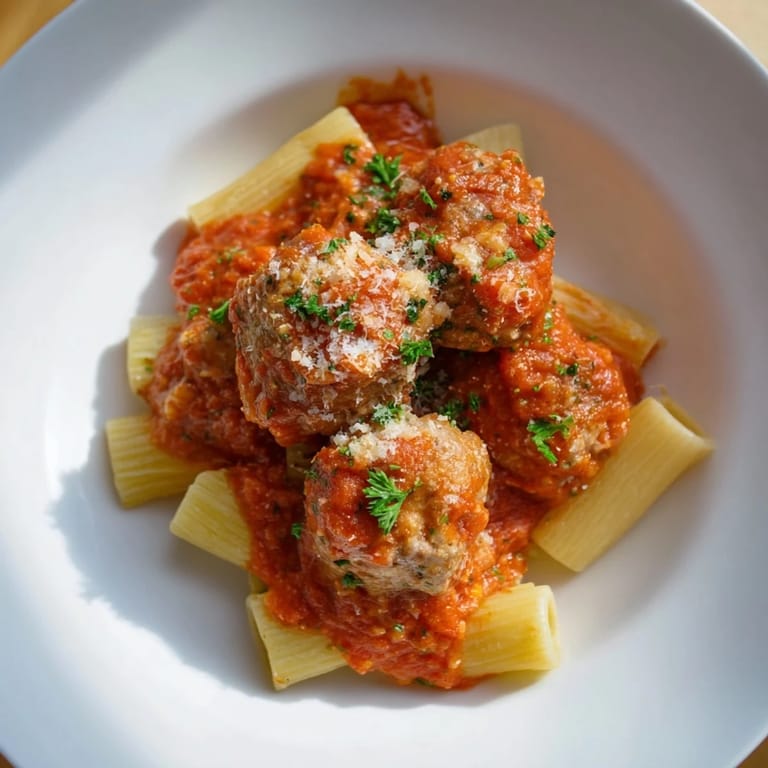
- Divide your pasta or rice among bowls, top with meatballs and plenty of sauce, then finish with fresh basil or parsley and extra grated Parmesan if you're feeling generous. Every element should shine on the plate.
 Save to Pinterest
 There was a Wednesday evening last October when my eight-year-old asked me to teach him how to shape the meatballs. His hands were too small and they came out lopsided, but the way his face lit up when they came out of the oven—golden and puffy—reminded me that cooking is really about those moments when someone discovers they can make something delicious with their own two hands. That batch might have been the best thing I ever made, not because of the technique but because of the memory attached to it.
Why This Recipe Works
Turkey meatballs live in this perfect sweet spot between healthy and indulgent. They're lean enough that you can eat a generous serving without that heavy feeling afterward, but the Parmesan, egg, and breadcrumbs give them enough richness that they never taste like diet food. The oven-baking method is also forgiving—there's no splattering oil, no careful pan-turning, just a tray that you slide in and mostly forget about. The sauce does the real heavy lifting, transforming simple meatballs into something that tastes like it simmered all day.
Making This Your Own
The beauty of this recipe is how flexible it is. I've added finely minced zucchini or mushrooms to the meatball mixture to add moisture and earthiness without changing the structure. Some weeks I'll substitute fresh basil for the parsley in the meatballs themselves, and other times I've stirred a handful of fresh spinach into the finished sauce for color and nutrition. A pinch of red pepper flakes in the sauce adds heat without overwhelming the tomato flavor, and I've even experimented with half ground turkey and half ground beef for a richer result.
Serving and Storing
These meatballs are endlessly versatile, so serve them however feels right in the moment. Pasta is the classic route, but they're equally at home over rice, creamy polenta, roasted vegetables, or even nestled into a crusty bread roll with extra sauce and melted mozzarella. Leftovers keep beautifully in the refrigerator for up to four days, and the sauce actually deepens in flavor overnight as the spices continue to develop. You can also freeze the finished meatballs and sauce for up to three months—just thaw in the refrigerator and gently reheat in a saucepan over low heat until warmed through.
- Make this dish gluten-free by using certified gluten-free breadcrumbs and gluten-free pasta, and everyone at the table will be happy.
- For a lower-carb version, serve these over spiralized zucchini or sautéed greens instead of pasta, and the sauce clings beautifully either way.
- A splash of red wine in the sauce adds complexity, so if you have a bottle open, add a quarter cup after the tomatoes and let it simmer for a minute until the alcohol cooks off.
 Save to Pinterest
 These turkey meatballs have become my answer to those nights when I want to cook something that feels both comforting and intentional, something that works for a quiet family dinner or a casual dinner party. Once you master this, you'll find yourself making it over and over, each time discovering something new about the way flavors work together.
FAQs About This Recipe
- → How do I ensure the meatballs stay tender?
Mix ingredients gently and avoid overworking the mixture to keep meatballs tender and moist.
- → Can I bake the meatballs instead of frying?
Yes, baking at 200°C (400°F) creates a golden exterior while keeping the meatballs juicy inside.
- → What herbs work best in the tomato sauce?
Fresh or dried basil and oregano add classic aromatic flavors to the tomato sauce.
- → Is it possible to use rice instead of pasta as a side?
Absolutely, cooked rice pairs nicely and absorbs the savory tomato sauce well.
- → How can I make this dish gluten-free?
Use gluten-free breadcrumbs and substitute pasta with gluten-free or vegetable noodles.